Statement
Arresting a Journalist for Conducting an Interview Is an Attack on Press Freedom
The continued detention of Horn Cable TV (HCTV) Head of News, Abdirahman Mohamed Ege, following his interview with a Somali presidential aspirant has raised serious concerns about the protection of press freedom, freedom of expression and the independence of journalism in Somaliland.
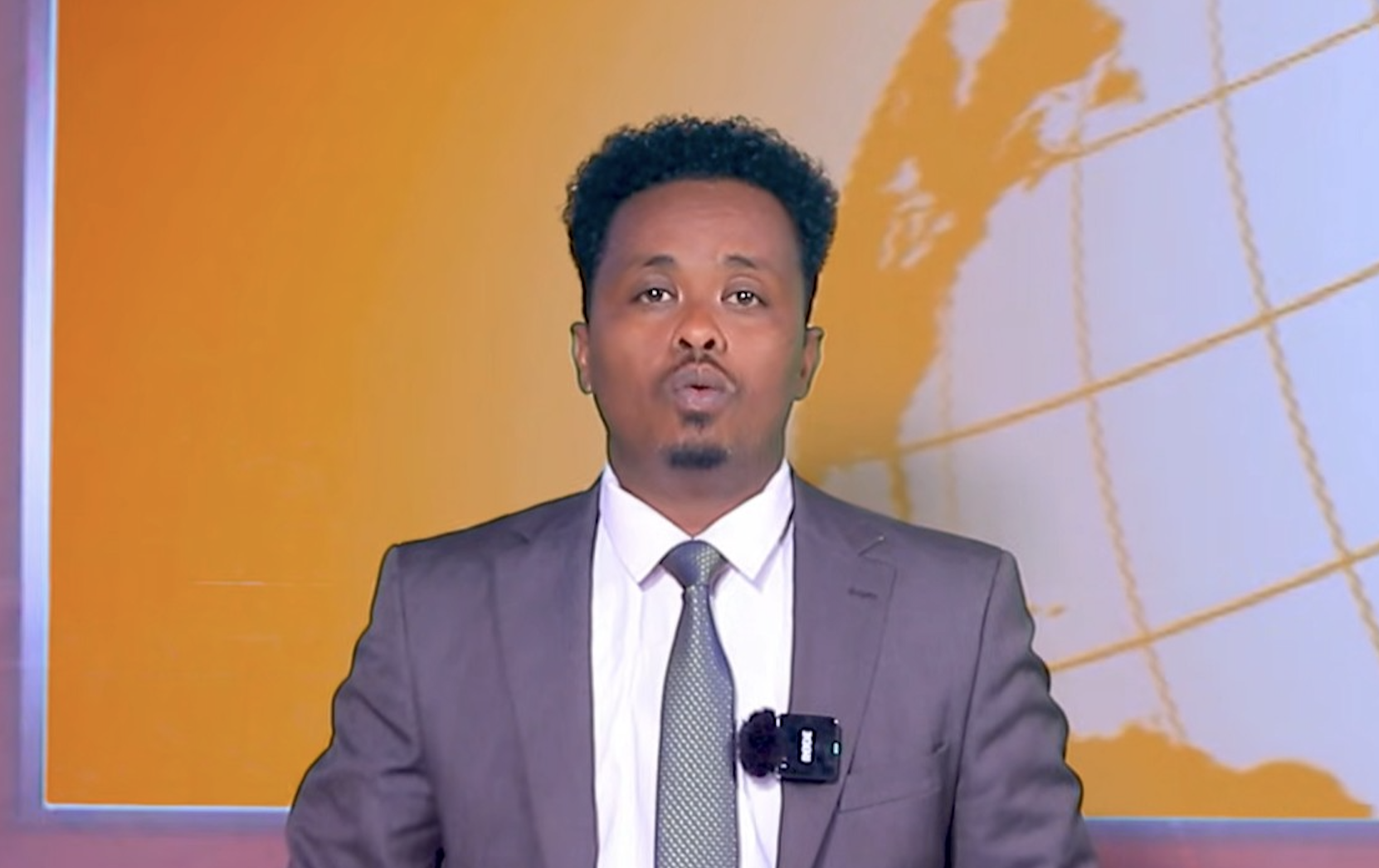
Ege was detained on 22 October 2026 after responding to a summons from the Criminal Investigation Department (CID) in Hargeisa. His detention followed an interview broadcast by HCTV on 15 October with Abdiqadir Mohamed Sharaay, a Somali politician and academic who had announced his intention to contest Somalia's 2027 presidential election.
During the interview, Sharaay expressed his political views, including his position that Somaliland's international recognition should be pursued through negotiations with Mogadishu. While these views may be politically controversial and subject to public disagreement, the decision to interview an individual and provide a platform for political discussion is a legitimate function of independent journalism.
The arrest of a journalist in connection with such an interview raises fundamental questions about the boundaries of legitimate state authority and the protection afforded to journalists performing their professional responsibilities.
According to information provided to the Committee to Protect Journalists (CPJ), Ege was questioned in detention about the interview. His employer's deputy chairperson also confirmed that he had visited the journalist in custody. On 28 October, CPJ called for Ege's unconditional and immediate release, reporting that he had been held without charge since 22 October.
The Somali Journalists Syndicate (SJS) subsequently condemned the arrest in its 30 October statement, calling for Ege's immediate and unconditional release. The organisation also documented the arrests of other journalists during the same period, expressing concern over the wider environment facing independent media in Somaliland.
We acknowledge and welcome the interventions of SOLJA, CPJ, SJS and other human rights advocates who have raised concerns about the journalist's detention. Their interventions underline the importance of protecting journalists from intimidation, arbitrary detention and measures that could discourage legitimate reporting on politically sensitive issues.
Freedom of the press cannot depend on whether the subject of an interview agrees with the political position of the government or whether the views expressed are popular among those in authority.
Article 32 of the Somaliland Constitution expressly recognises the press and other media as part of the fundamental freedoms of expression and establishes their independence, prohibiting acts intended to subjugate them.
Furthermore, Article 3 of Somaliland's Press Law, Law No. 27/2004, recognises press freedom, prohibits restraints on the press and outlaws censorship. Article 8 also recognises journalists' rights to seek, obtain and disseminate information.
These domestic guarantees must be respected in practice, particularly when journalism concerns public policy, political representation, relations between Somaliland and Somalia, and other matters of national importance.
International human rights standards are equally clear. Article 19 of the International Covenant on Civil and Political Rights protects the right to seek, receive and impart information and ideas, including through the media. The United Nations Human Rights Committee has made clear that political discourse and journalism fall within this protection and that restrictions must satisfy strict requirements of legality, necessity and proportionality.
The exercise of journalistic responsibilities should not be criminalised merely because an interviewee expresses views that are controversial or politically inconvenient.
We emphasise that legitimate investigations into specific and demonstrable criminal conduct must follow the law, respect due process and distinguish the responsibilities of a journalist from those of the individual being interviewed. A journalist must not automatically be held responsible for the political opinions, statements or ambitions of an interviewee.
We therefore call on the Somaliland authorities to:
Immediately and unconditionally release Abdirahman Mohamed Ege if there is no lawful and sufficient basis for his continued detention, consistent with the demands made by CPJ and SJS.
Publicly clarify the legal grounds for his arrest and continued detention, including the specific allegations, if any, and the judicial decisions authorising his remand.
Guarantee his access to legal representation, family members and all necessary judicial safeguards, including an effective opportunity to challenge the lawfulness of his detention.
End the practice of treating legitimate journalistic interviews as grounds for arrest or intimidation. Journalists must be able to interview politicians, government officials, opposition figures, academics and other public personalities without fear of retaliation for providing a platform for public discussion.
Respect the independence of media institutions, including their editorial decisions, professional independence and responsibility to report on issues of public interest.
Ensure that any alleged media-related violations are addressed through proportionate and lawful procedures, rather than the arbitrary application of criminal provisions that could undermine constitutional guarantees.
Provide transparent information about the status of other detained journalists, ensuring that no individual remains in custody without a lawful basis, timely judicial oversight and access to due process.
We further urge the Somaliland Human Rights Commission to continue monitoring Ege's case and to make its findings public, while calling on SOLJA, international press freedom organisations and diplomatic representatives to maintain appropriate engagement until the matter is resolved.
The wider implications of this case extend beyond one journalist and one television station. When journalists face detention for interviewing individuals who hold politically sensitive opinions, the consequences reach every newsroom. Editors may become reluctant to host controversial voices, reporters may avoid important public-interest subjects, and citizens may lose access to diverse political perspectives.
Such an environment risks weakening public accountability and undermining the constitutional guarantees that Somaliland has committed itself to uphold.
The independence of the press must be protected irrespective of political sensitivities. Journalism is not an endorsement of every opinion expressed by an interviewee; it is a means through which society can hear, examine and debate competing perspectives.
A journalist's responsibility is to ask questions and inform the public, not to seek permission from political authorities over whom they may interview.
We call for Abdirahman Mohamed Ege's release, respect for the independence of HCTV and the protection of every journalist in Somaliland from arbitrary arrest, intimidation and unlawful interference.
A free press must be protected precisely when its questions become politically uncomfortable.
Somaliland Human Rights Monitoring Group (SHRMG)
Media enquiries: info@shrmg.org
Hargeisa, Somaliland