Statement
Somaliland's Press Law Must Not Be Held Hostage to Parliamentary Delays
The continued postponement of the adoption of Somaliland's revised Press Law is a matter of serious concern for press freedom, democratic accountability and the protection of fundamental rights.
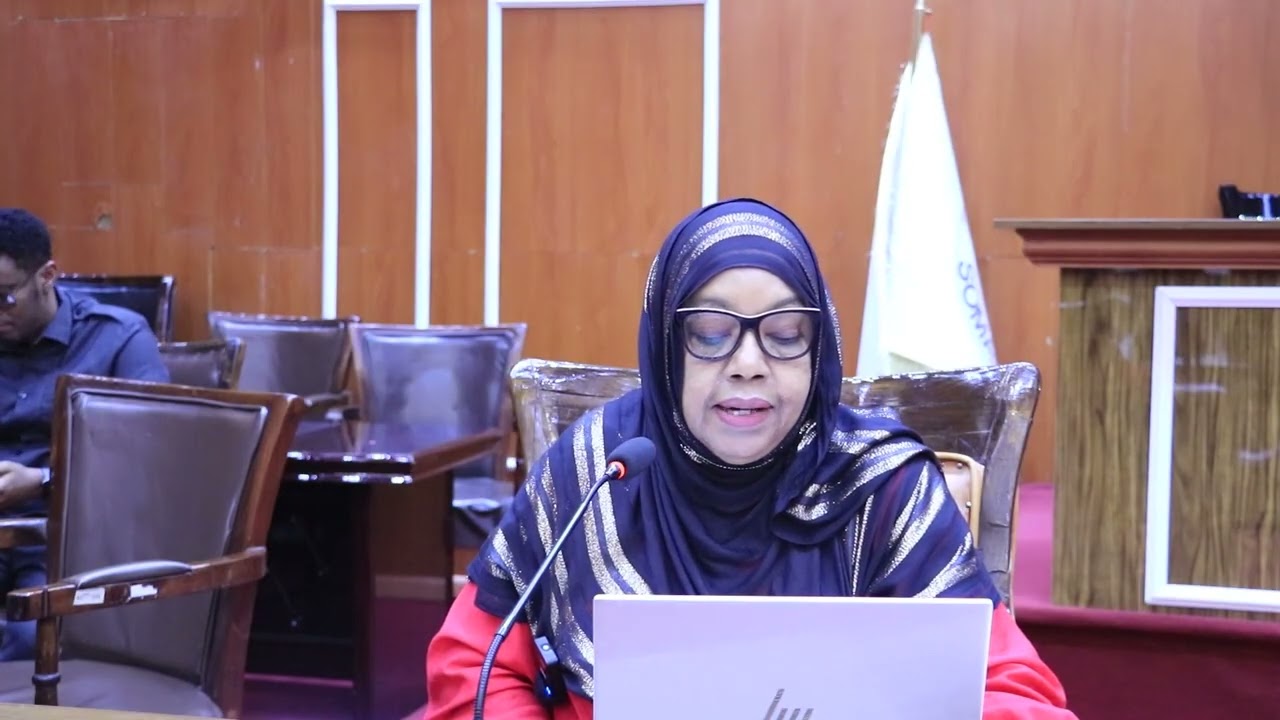
The House of Representatives' decision on 7 November to refer the proposed legislation back to a parliamentary committee, following a reported tied vote, represents another setback in a legislative process that has remained unresolved for years. At a time when journalists and media institutions urgently need clear legal protections, Somaliland cannot afford further indefinite delays in establishing a modern, rights-based framework for the media sector.
The revised Press Law is not simply another piece of legislation. It is fundamental to the protection of freedom of expression, the independence of journalism and the public's constitutional right to information. Its prolonged delay leaves journalists and media organisations operating without the comprehensive and contemporary legal safeguards that a democratic society requires.
We recognise that parliamentary scrutiny, disagreement and legislative review are legitimate components of democratic lawmaking. The concerns surrounding the proposed legislation deserve serious consideration. However, such disagreements must not become a justification for indefinitely postponing a reform that is essential to the country's democratic institutions.
Of particular importance are the concerns raised by the Somaliland Journalists Association (SOLJA), women's media organisations and human rights groups during their engagement with Parliament. Their recommendations concerning the independence of the National Media Council, disproportionate financial penalties, criminal sanctions, transparent licensing procedures and independent appeals mechanisms deserve meaningful consideration.
A media regulatory institution must be independent of political interference and must not become an instrument through which public authorities exercise control over independent journalism. Likewise, professional accountability must not be confused with punitive regulation or mechanisms that discourage investigative reporting and legitimate criticism of those in positions of public authority.
The existing Press Law, Law No. 27/2004, recognises freedom of the press and prohibits censorship. The revised legislation should build upon these constitutional and legal guarantees, not weaken them.
We are particularly concerned about the wider environment in which this legislation is being debated. Reports by the Human Rights Centre and other media monitoring organisations have documented arrests and other restrictions affecting journalists in Somaliland. These developments make the establishment of effective legal protections more urgent, not less.
We therefore call on the House of Representatives to:
Establish a clear and public timetable for the committee's reconsideration of the proposed Press Law and its subsequent return to the House for parliamentary deliberation and voting.
Ensure meaningful consultation with SOLJA, independent media organisations, women journalists' associations, human rights organisations, legal experts and other relevant stakeholders before finalising the legislation.
Guarantee the independence of the National Media Council, ensuring that its composition, appointment procedures and decision-making powers are protected from political and governmental interference.
Remove disproportionate criminal and financial penalties that could be used to intimidate journalists, silence critical reporting or force independent media organisations out of operation.
Establish transparent regulatory and appeals procedures, ensuring that decisions concerning media licensing, suspension and other disciplinary measures are subject to independent review and due process.
Strengthen constitutional protections for freedom of expression, editorial independence, confidential journalistic sources and the public's right to access information.
We further urge the government to demonstrate its commitment to press freedom by ensuring that journalists are not arbitrarily arrested, detained or prosecuted for carrying out legitimate journalistic activities.
The responsibility now rests with the leadership of the House of Representatives and its relevant committee to ensure that this legislative process does not become another prolonged exercise in postponement.
Somaliland's democratic credibility depends not only on the existence of constitutional guarantees but also on the willingness of its institutions to translate those guarantees into meaningful legal protections.
A free press is not an obstacle to national development, public order or government accountability. It is an essential institution of democratic governance, enabling citizens to question authority, scrutinise public institutions and participate meaningfully in national affairs.
Somaliland needs a Press Law that protects journalists, not one that empowers those who may seek to silence them. The time for indefinite delays has passed.
Somaliland Human Rights Monitoring Group (SHRMG)
Media enquiries: info@shrmg.org
Hargeisa, Somaliland