بيان
SHRMG Condemns Alleged Political Interference in Women's Participation and Calls for Transparent Media Licensing in Somaliland
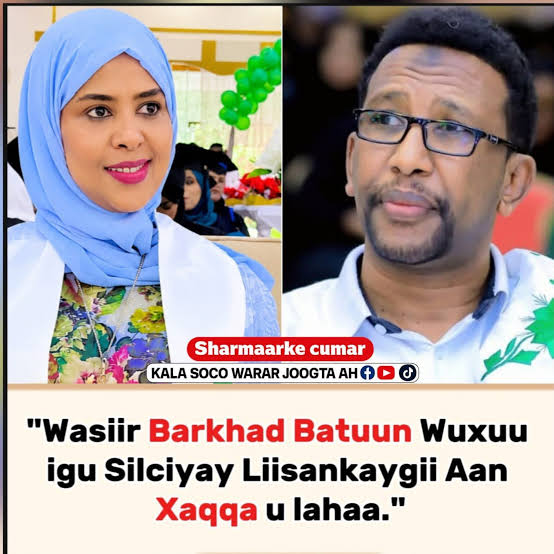
Somaliland Human Rights Monitoring Group (SHRMG) expresses serious concern over reports that parliamentary candidate Layla Ibrahim Omar, widely known as Layla Jumeriya, has been denied a licence to establish her independent media organisation, Degdeg Media, amid allegations of political interference.
SHRMG considers these allegations particularly troubling given Somaliland's longstanding failure to ensure meaningful women's participation in political leadership and decision-making.
The reported refusal raises fundamental questions about equal treatment before the law, freedom of expression, media independence and women's right to participate in public affairs without discrimination or political obstruction.
A woman seeking political participation in an overwhelmingly male institution
Somaliland's 82-member House of Representatives currently has only one woman, representing approximately 1.2 per cent of its membership.
This severe imbalance reflects decades of institutional and political barriers that have prevented women from accessing elected office on equal terms with men.
The 2021 parliamentary elections demonstrated the depth of this exclusion: only 13 women contested the 82 parliamentary seats, and not one was elected. International election observers subsequently described the absence of women in Parliament as a serious democratic deficit.
Despite years of advocacy, commitments by political parties and proposals for gender quotas, women's representation remains exceptionally limited.
Women have played indispensable roles in Somaliland's peacebuilding, community mobilisation, economic development and political history. Yet their contribution has not translated into proportionate representation in the institutions responsible for determining the country's future.
SHRMG believes that political participation must mean more than allowing women to register as candidates. Women must also enjoy equal access to political platforms, public communication, campaign opportunities and the institutional resources necessary to participate meaningfully.
Serious concerns over the Degdeg Media licensing dispute
According to reports published by Hargeisa News Network on 13 and 21 November 2026, Layla's efforts to establish Degdeg Media have encountered obstacles in obtaining official media recognition.
Subsequent reporting has raised allegations that an adviser to the Minister of Information, Culture and National Guidance opposed the proposed media organisation because it could affect the local political support of journalist and media owner Khalid Fodhaadhi, who reportedly operates KF Media.
The reports further suggest that Layla encountered difficulties obtaining airtime from existing local media organisations.
SHRMG emphasises that these allegations require independent investigation and responses from the individuals and institutions concerned. Nevertheless, their seriousness warrants an immediate, transparent explanation from the relevant authorities.
If media licensing decisions are influenced by political affiliations, electoral competition or personal relationships, such practices would undermine the principles of equal treatment, administrative impartiality and freedom of expression.
No public authority should use its regulatory powers to protect the political interests of one candidate at the expense of another.
Likewise, no media organisation should deny a political candidate fair and impartial access to legitimate broadcasting opportunities because of personal or political competition.
Legal equality must apply to everyone
SHRMG notes the legal position publicly attributed to Somaliland lawyer Guled Dafac, who has argued that Press Law No. 27/2004 and Political Associations and Parties Law No. 14/2023 permit members of political parties to establish media organisations.
The existence of media organisations associated with politically affiliated individuals makes it particularly important that licensing requirements be transparent, consistently applied and free from discriminatory treatment.
The relevant authorities must clarify the legal basis for any refusal of Layla's application and explain whether comparable applications from other politically affiliated individuals have been assessed using the same standards.
The right to establish a media organisation should not depend on political connections, party affiliation, gender or the political influence of competing individuals.
A wider democratic responsibility
The Layla Jumeriya controversy must also be considered against the wider challenges facing women's political participation in Somaliland.
The persistent exclusion of women from Parliament cannot be explained simply by electoral outcomes. It requires serious examination of the institutional, financial, political and social barriers that prevent women from competing on equal terms.
SHRMG is concerned that when women candidates encounter obstacles in accessing media, political platforms and public institutions, the consequences extend beyond individual candidates. Such barriers undermine the ability of women to participate in democratic debate and represent the interests of their communities.
A democratic system cannot claim meaningful political inclusion while women remain almost entirely absent from its principal elected legislative institution.
SHRMG's demands
The Somaliland Human Rights Monitoring Group calls upon the Government of Somaliland and the relevant institutions to:
Provide an immediate explanation: The Ministry responsible for media regulation should publicly clarify the status of Layla Ibrahim Omar's application to establish Degdeg Media and disclose the specific legal grounds for any refusal.
Guarantee equal licensing procedures: All media applicants must be assessed using transparent, objective and consistently applied criteria, without political discrimination or interference.
Investigate allegations of political interference: An impartial investigation should establish whether government officials, political advisers or other influential individuals attempted to obstruct the establishment of Degdeg Media for electoral or partisan reasons.
Protect women's political participation: The government, political parties and electoral institutions must take meaningful measures to remove structural barriers preventing women from contesting elections and accessing public platforms.
Guarantee fair media access: Local broadcasters should apply transparent and non-discriminatory standards when providing airtime to political candidates, irrespective of gender or political affiliation.
Strengthen women's representation: Somaliland's political parties and Parliament should accelerate the adoption of effective temporary special measures, including an enforceable gender quota, to address the severe underrepresentation of women in elected institutions.
Ensure accountability: Any administrative decision involving media licensing should be accompanied by written reasons and an accessible mechanism for independent review and appeal.
Conclusion
The right of women to participate in political life cannot remain a constitutional promise that is celebrated in speeches but undermined in practice.
Somaliland's democratic institutions must demonstrate that women can compete, communicate, organise and seek public office without facing discriminatory restrictions or political intimidation.
The controversy surrounding Layla Jumeriya is an opportunity for Somaliland's authorities to demonstrate whether their commitment to women's political participation and media freedom is reflected in the actual conduct of public institutions.
SHRMG will continue to monitor developments surrounding this case and calls for an impartial investigation, transparency and equal protection of the rights of all citizens.
Women's political participation is not a privilege to be granted by political authorities. It is a fundamental democratic right.
Somaliland Human Rights Monitoring Group (SHRMG)
Independent monitoring. Accountability. Human rights.